October 2026 · Notes from Sandra
Hurricane season on the Gulf Coast: the calm primer for newcomers
SM By Sandra McDuffie
Realtor®, eXp Realty · TX Licensed
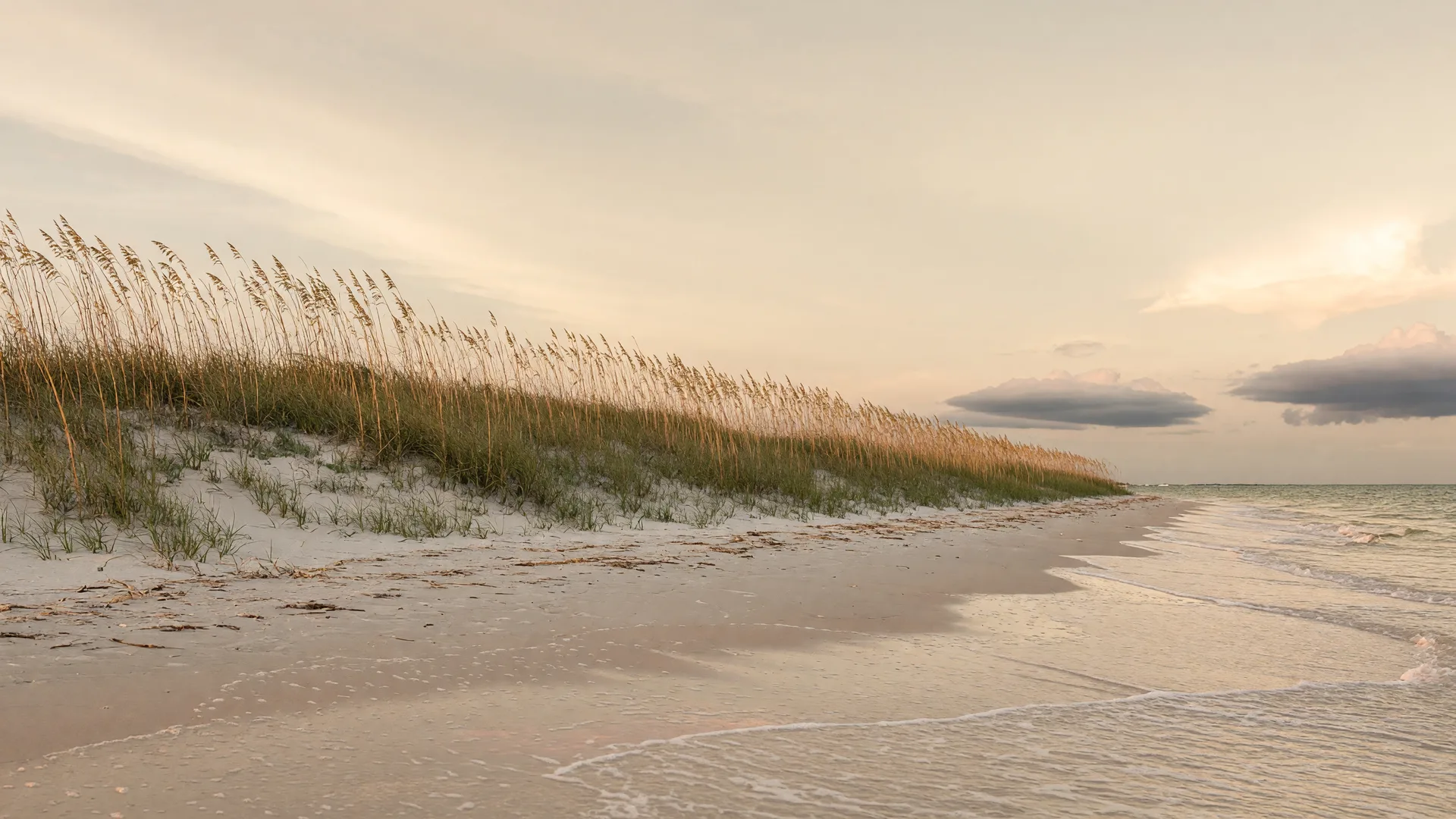
Storm talk is the first thing newcomers hear about the Gulf Coast, and usually the least explained. Here is the calm version: Atlantic hurricane season runs June 1 through November 30, the busiest stretch for the upper Texas coast falls between mid-August and mid-October, and by late October the most anxious weeks are already behind us. This is the primer I hand relocating families when they ask the honest question, what should I actually do? The answer is a short list of habits, not a lifetime of worry. Warm by nature, sharp by practice, prepared without panic: that is the Gulf Coast way.
The season has a calendar, and it is nearly over
Hurricane season officially runs June 1 through November 30, and for the upper Texas coast the busiest stretch falls between mid-August and mid-October. Late October is the long exhale: most of the season's energy has moved on, the coast quiets down, and the final weeks usually pass with nothing more than a watchful glance at the sky. The National Weather Service's Houston-Galveston office publishes a plain-English hurricane guide each spring, and their forecasts and updates live at weather.gov.
The habit that serves families best is treating preparedness as an autumn ritual instead of a weather-dependent scramble. Check the kit once, refresh the documents, and get back to living. Preparation is one weekend; worry is a full-time job nobody here wants you to take.
Know Your Zone: a five-minute lookup that buys real peace
The Know Your Zone program, run by the Houston-Galveston Area Council with Texas emergency management, divides the coastal counties into evacuation zones labeled Coastal, A, B, and C by ZIP code. The zones track storm-surge risk, not rain flooding, and they set the order of evacuation if county officials order one. Checking your zone takes five minutes at h-gac.com/hurricane, and it is worth doing now for both the place you are renting and the place you might buy.
Two things surprise most newcomers: zones are fixed while evacuation orders vary storm by storm, and many inland addresses sit in no surge zone at all, which is exactly why this region's flood risk is really a rainfall story. Nobody should leave unless their county judge or mayor orders it for their zone. Prepared and calm beats anxious and unprepared every single time.
The five roads out of the region
The region's evacuation routes are the highways you already know from normal life: I-45 north, I-10 west, US-290, US-59 and Interstate 69, and TX-249. For a major storm, TxDOT can run the inbound lanes in reverse, contraflow, turning each corridor into a wider road out. The official maps live at txdot.gov and DriveTexas.org, and the state stations fuel, food, and help along the active routes.
My advice to relocating families is the same one emergency managers give: you do not need a destination hundreds of miles away. A few hours up the road, at family or at a hotel you booked once and saved, is enough. Shorter drives keep traffic moving, keep everyone calmer, and get you out of the surge zone, which is the whole point.
The supply kit you keep, not the one you shop for in a hurry
The kit is undramatic: water, food that does not need cooking, medications, phone chargers, batteries, flashlights, and copies of the papers you would hate to lose, deeds, insurance policies, IDs, all in a bag that lives by the door. Add plans for elderly and special-needs family members and for pets, and you are done. Texas 2-1-1 connects residents with routes, shelters, and help during an event, and it is the one number worth saving in every family member's phone.
Here is the reassuring truth: most of hurricane prep is one Saturday in October. If the season ends quietly, as it usually does, you have simply spent an afternoon getting organized, and that organization is also the best possible start to owning a home on the Gulf Coast. Preparados, no asustados: prepared, not scared.
Flood insurance is a timeline question, not a weather question
When you buy with a federally backed mortgage, flood insurance is required if the home sits in a FEMA-designated Special Flood Hazard Area, the high-risk zones whose codes begin with A or V, and your lender will tell you plainly at the beginning of the loan process. What surprises most relocating families is the clock: a new National Flood Insurance Program policy normally carries a 30-day waiting period before coverage takes effect, though a policy purchased at closing for a federally backed loan can bind immediately.
That is why the flood conversation belongs at the start of the search, not in the week before closing. The Texas seller's disclosure notice asks about the property's flood history in writing, so the story is on the table early, and FEMA's own pages at fema.gov/flood-insurance walk you through the how and why. The families I have guided who understand the flood map before they fall in love with a house enjoy the whole search more, and they sleep better through every storm season after.
What that means for your home search
None of this should scare you away from the coast; it should focus you. Elevation, drainage, flood history, insurance cost, and even where the garage sits are all knowable before you make an offer, and they are exactly the details a Realtor who lives here reads for you. Since 2014 I have walked relocating families through every county in this region, and the pattern never changes: the more they know, the more they relax.
Browse the live listings whenever you like at https://sandramcduffie.exprealty.com/, and send me the ones that make you linger. Bring the flood-map question to the table, I will bring the neighborhood context, and together we will find a home that fits the way you actually live, storms and all. Ese es mi trabajo: estar contigo en cada paso.
The checklist
- 01 Season runs June 1 through November 30; the busiest weeks for our coast are mid-August to mid-October
- 02 Look up your evacuation zone once at h-gac.com/hurricane: zones Coastal, A, B, and C by ZIP
- 03 Know the roads out: I-45 north, I-10 west, US-290, US-59/I-69, and TX-249
- 04 Keep the kit by the door: water, meds, chargers, flashlights, and the documents you would hate to lose
- 05 Save Texas 2-1-1 in every phone for routes, shelters, and help during an event
- 06 Ask about flood insurance early: federally backed loans require it in A and V zones, and new policies carry a 30-day wait (closing purchases can bind immediately)
South Texas storms are real, and so is this region's way of handling them with routine instead of drama. The families who settle here learn the calendar, the zone, the route, and the insurance date, and then they go back to beach days and porch evenings. I would love to help you do exactly that. Call or text me at (346) 222-4996, en inglés o en español, and let us find the home, and the plan, that fits you.